From Ancient Art to Modern Bridal Expression
The Process: From Leaf to Design
Designers and artists are redefining mehndi as a global art form.
Full Hand Mehndi Design: A Complete Guide from Tradition to Modern Trends
Introduction
Full hand mehndi design is one of the most admired and timeless forms of body art, especially in South Asian culture. Covering the hands from fingertips to forearms, it transforms skin into a canvas of intricate patterns, cultural symbols, and personal expressions. Whether for weddings, festivals, or fashion, full hand mehndi design continues to evolve while preserving its deep-rooted heritage.
In this comprehensive guide, we’ll explore everything about full hand mehndi design—from its ancient origins to modern trends, popular styles, application techniques, and tips to achieve the best results.
What is Full Hand Mehndi Design?
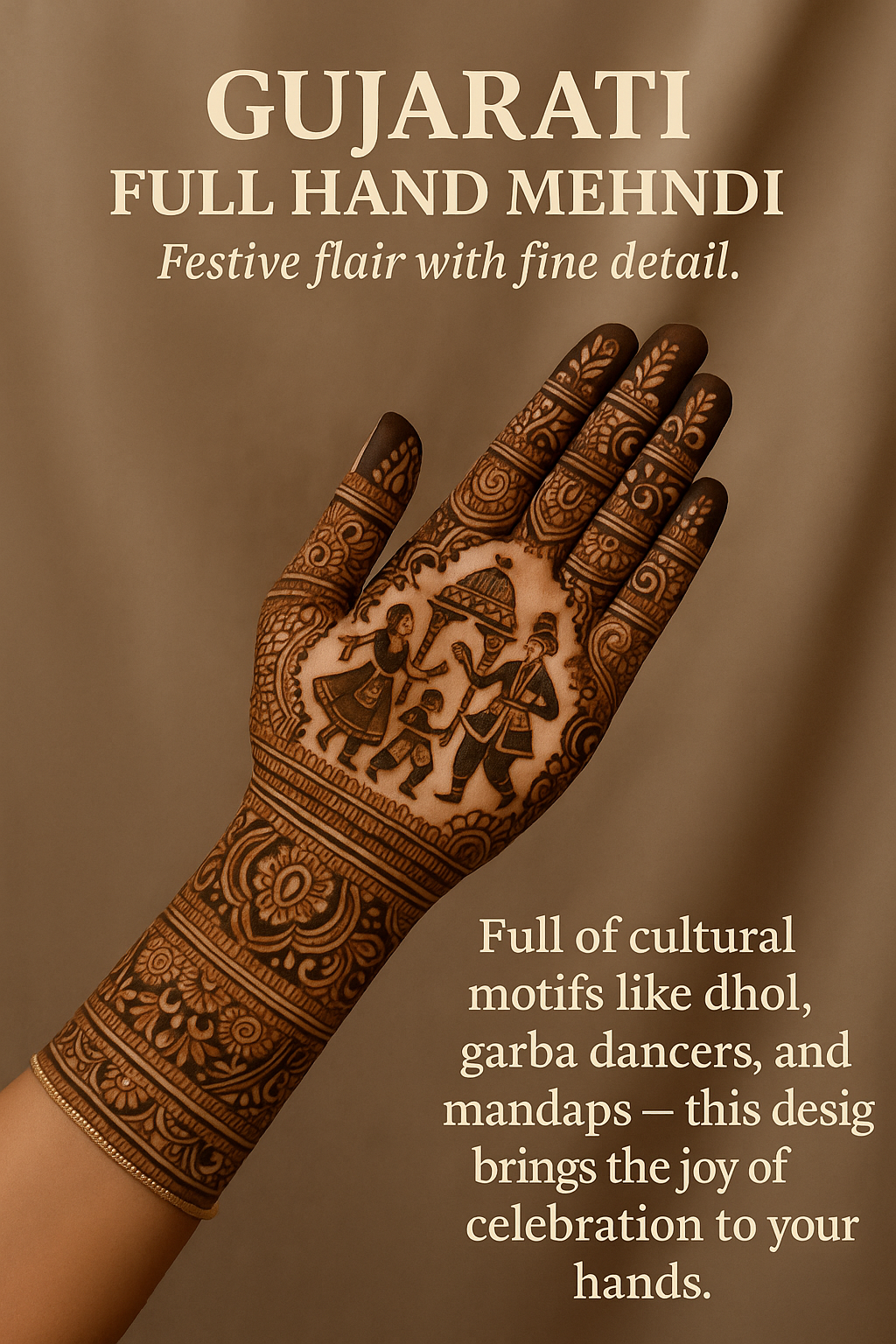
Full hand mehndi designs refers to the art of decorating the entire hand, including palms, fingers, wrists, and often extending up to the elbows, with detailed henna patterns. Unlike simple designs, full hand mehndi design is dense, elaborate, and often tells a story through motifs and patterns.
These designs are especially popular among brides, as they symbolize love, prosperity, and new beginnings. However, full hand mehndi design is not limited to weddings—it is also widely used during festivals and special occasions.
The Historical Roots of Mehndi
The history of mehndi dates back over 5,000 years. It was widely used in ancient Egypt, where it adorned the hands and feet of queens and nobles. Over time, the tradition spread across the Middle East, North Africa, and South Asia.
In India, full hand mehndi designs became an integral part of cultural rituals. It was believed to bring good luck and protect against negative energies. The use of henna in weddings symbolized joy, beauty, and emotional bonding.
Cultural Importance of Full Hand Mehndi Design
Full hand mehndi designs holds immense cultural significance, especially in Indian weddings. The mehndi ceremony is a joyful pre-wedding event where the bride’s hands are decorated with intricate patterns.
Traditionally, the deeper the color of the mehndi, the stronger the bond between the couple. Some designs even include hidden initials of the groom, adding a playful and romantic element.
Apart from weddings, full hand mehndi designs is also popular during festivals like Karva Chauth, Teej, Diwali, and Eid, where it represents celebration and positivity.
Types of Full Hand Mehndi Designs
1. Traditional Indian Mehndi Design
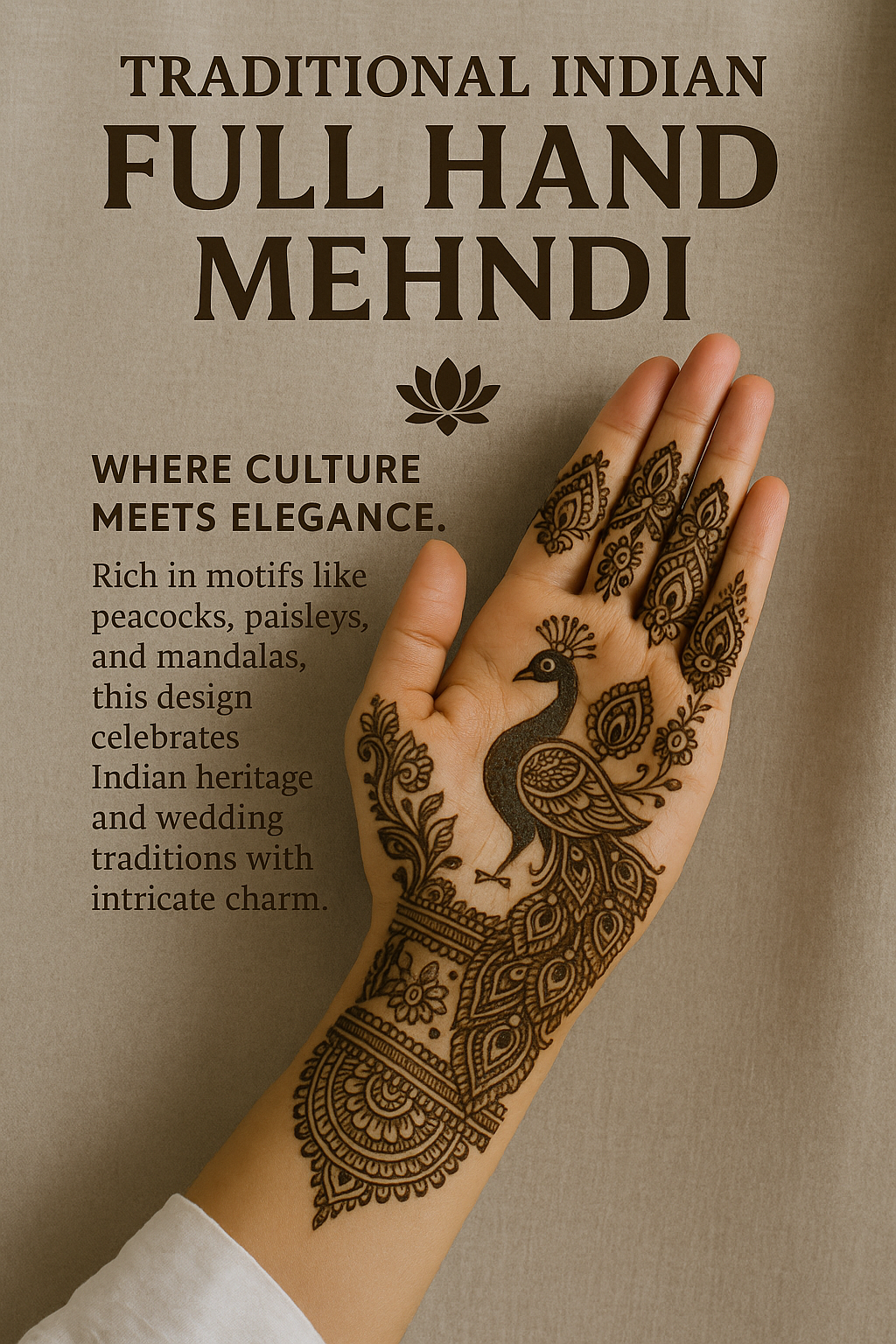
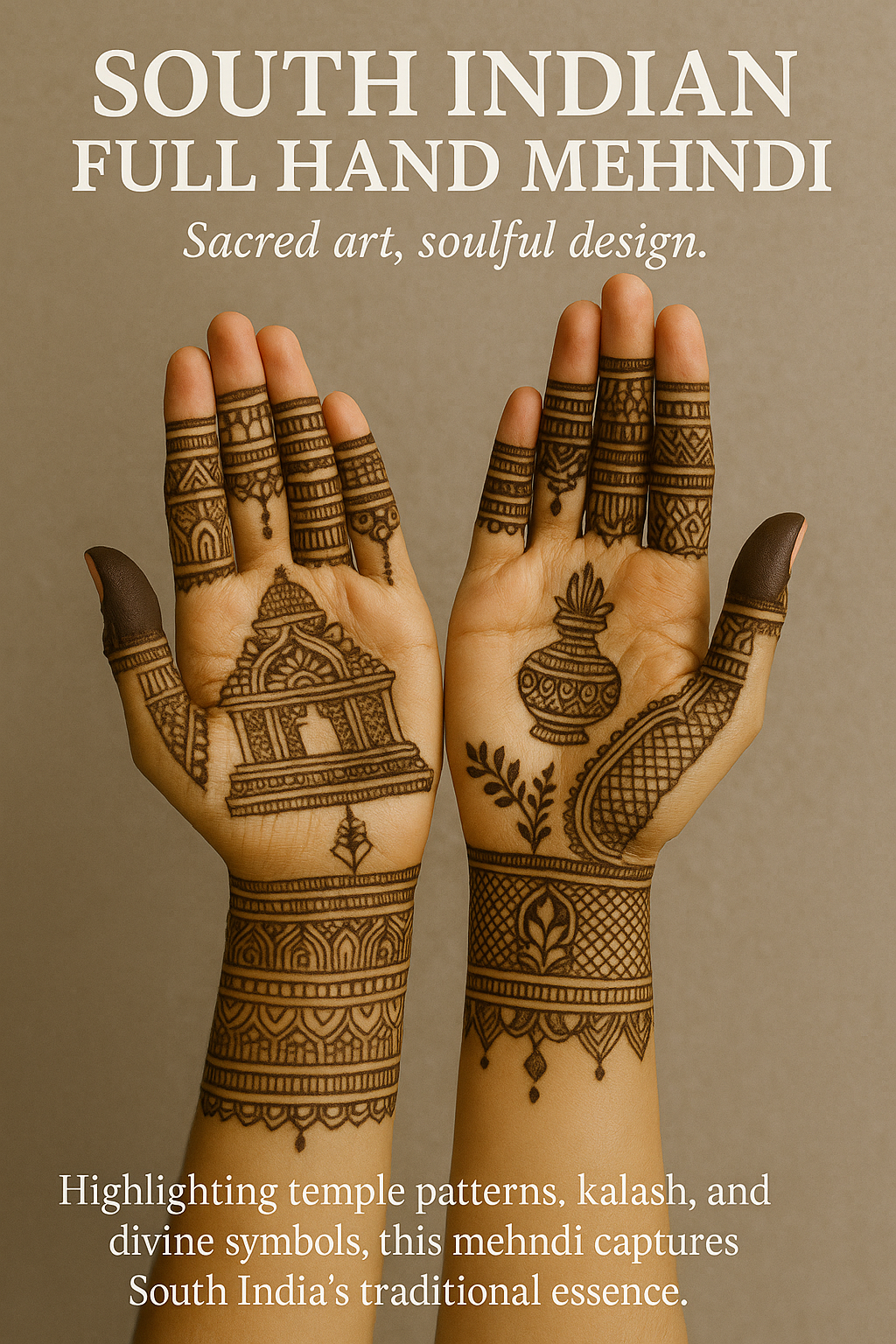
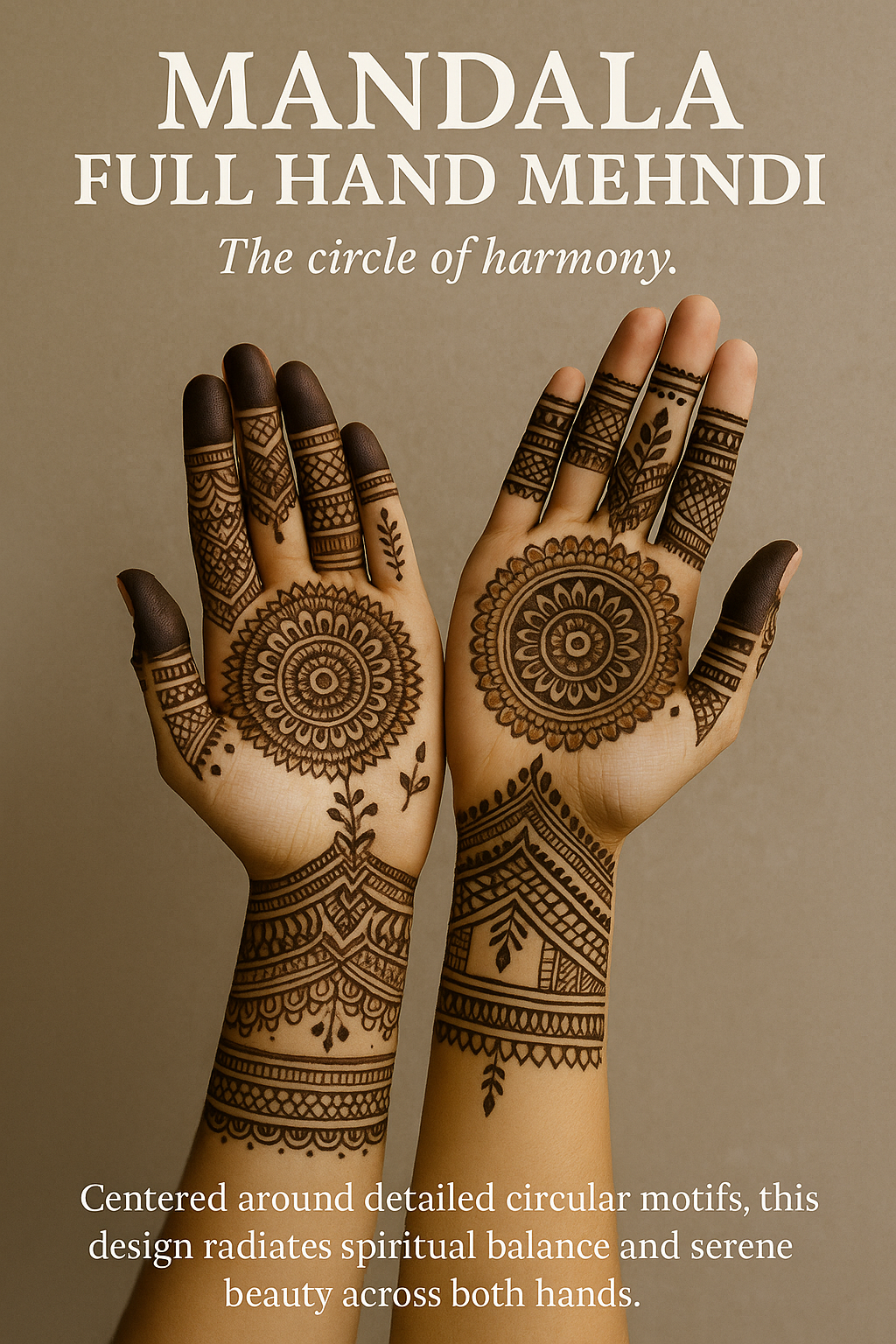
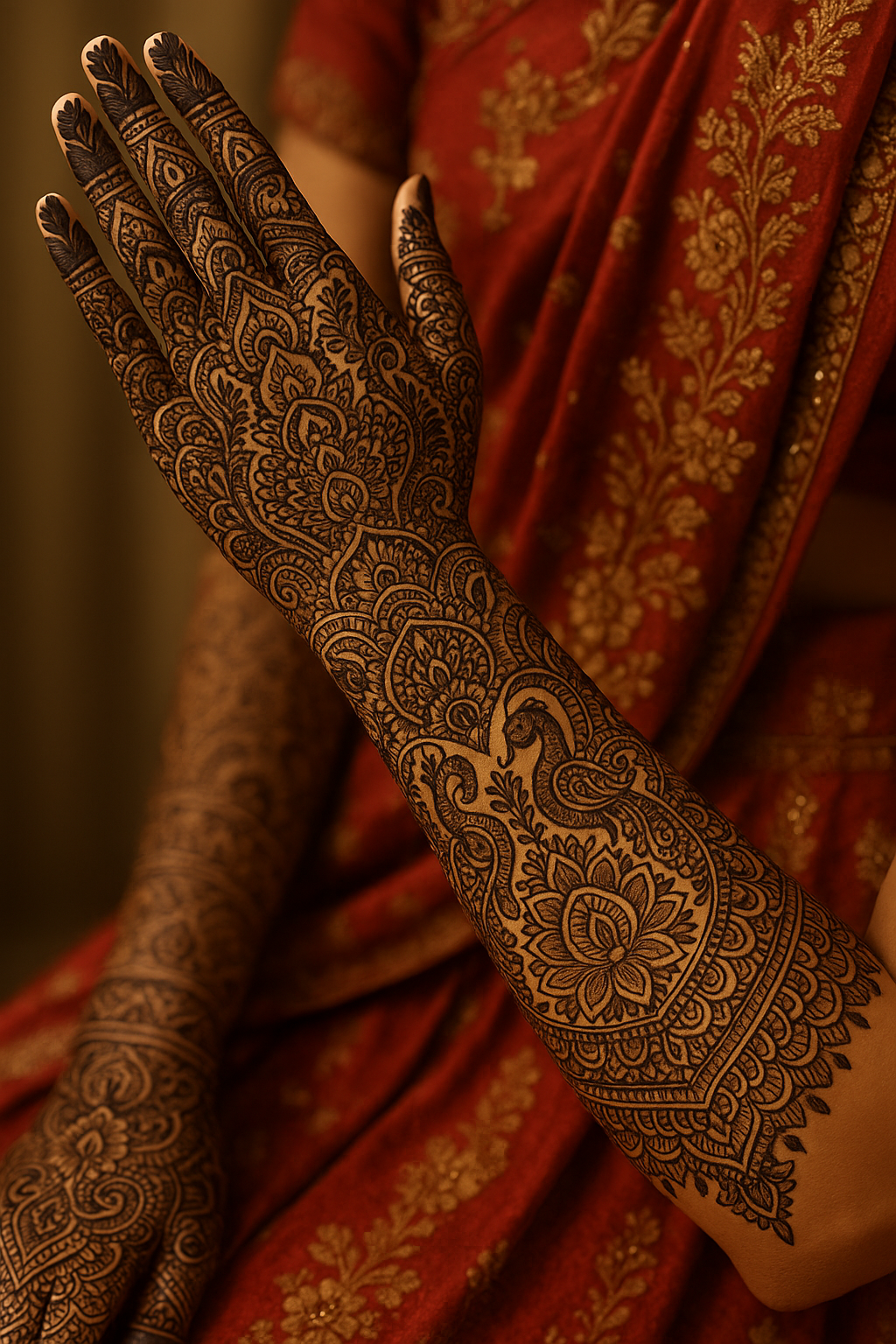
Traditional full hand mehndi design is known for its dense and intricate patterns. It includes motifs like paisleys, peacocks, flowers, and mandalas. These designs often cover every inch of the hand, leaving minimal empty space.
2. Arabic Mehndi Design
Arabic full hand mehndi design features bold lines and flowing floral patterns. It is less dense compared to Indian designs and often includes spaces, making it look elegant and modern.
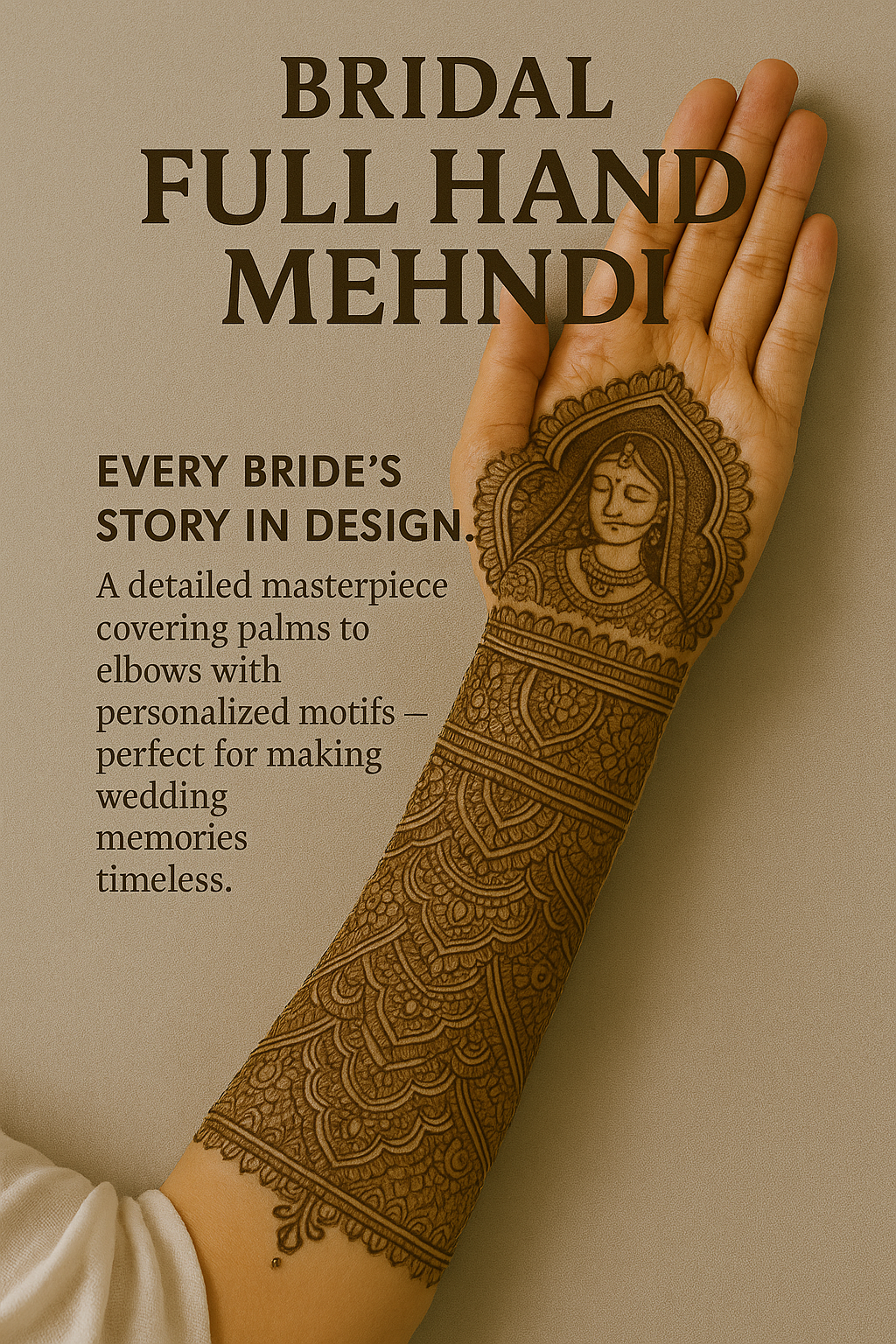
3. Bridal Full Hand Mehndi Design
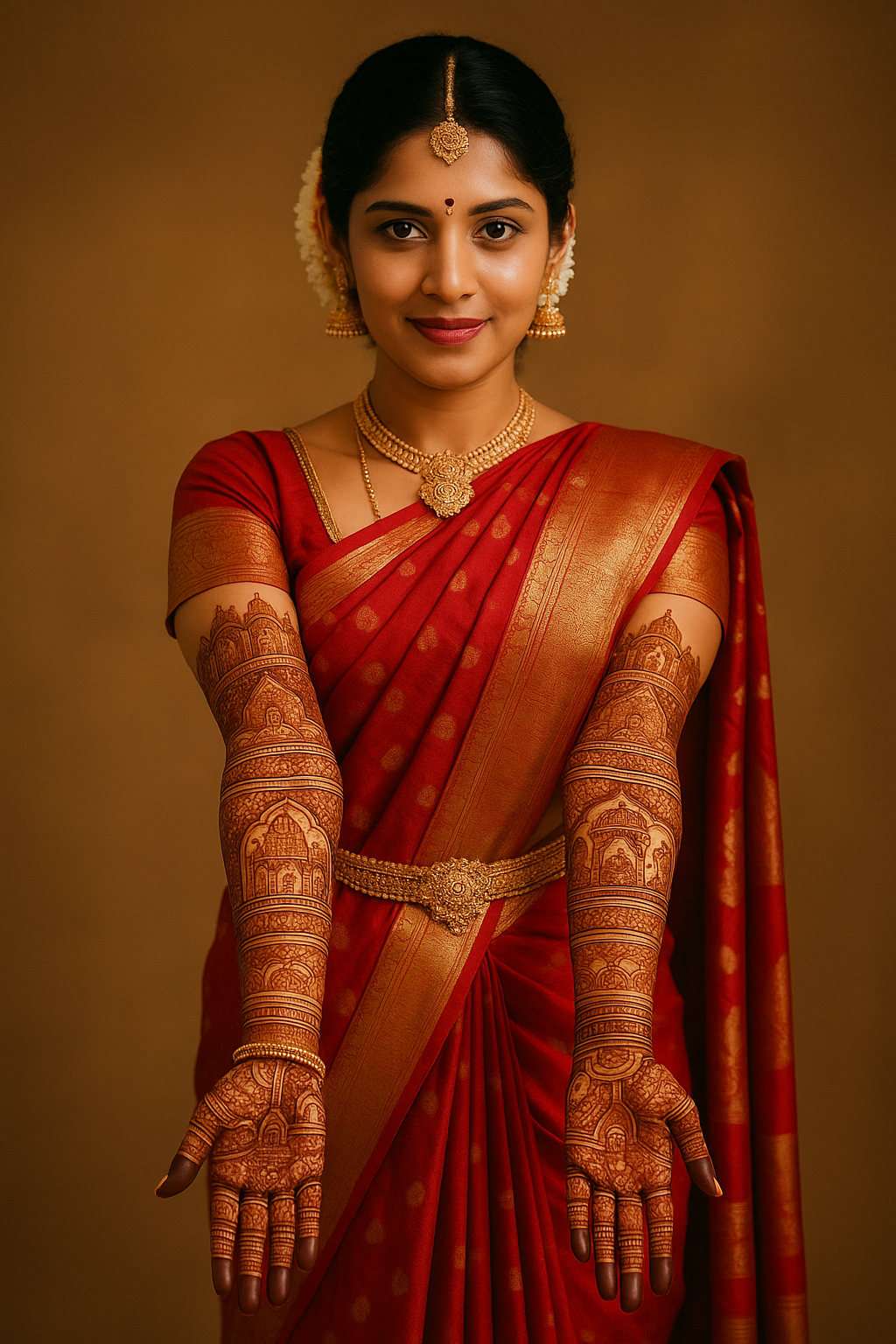
Bridal full hand mehndi design is the most detailed and elaborate style. It often includes personalized elements like bride and groom figures, wedding scenes, and symbolic motifs.
4. Rajasthani Mehndi Design
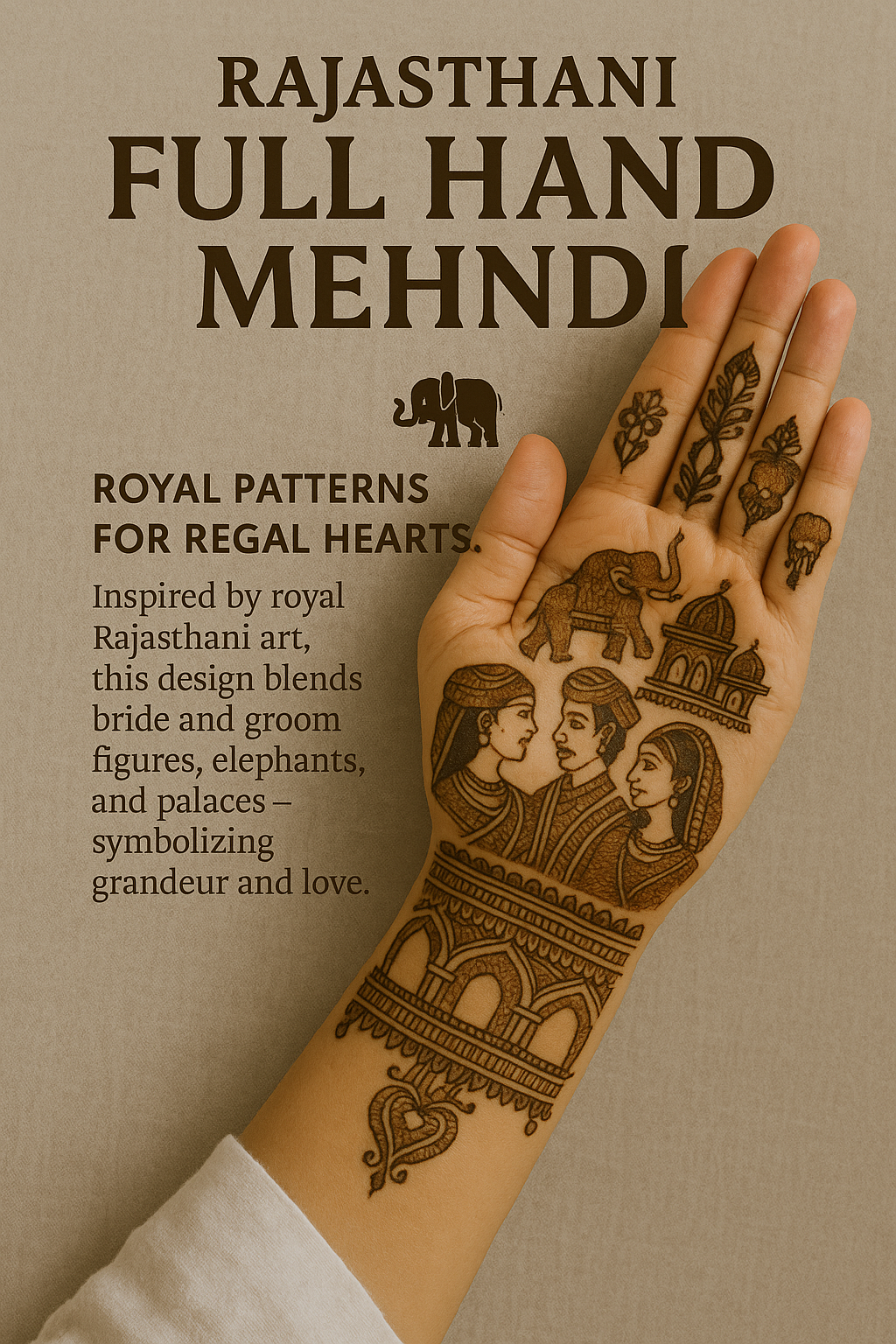
Rajasthani full hand mehndi design is inspired by royal art and culture. It includes detailed depictions of kings, queens, elephants, and palaces, reflecting grandeur and tradition.
5. Moroccan Mehndi Design
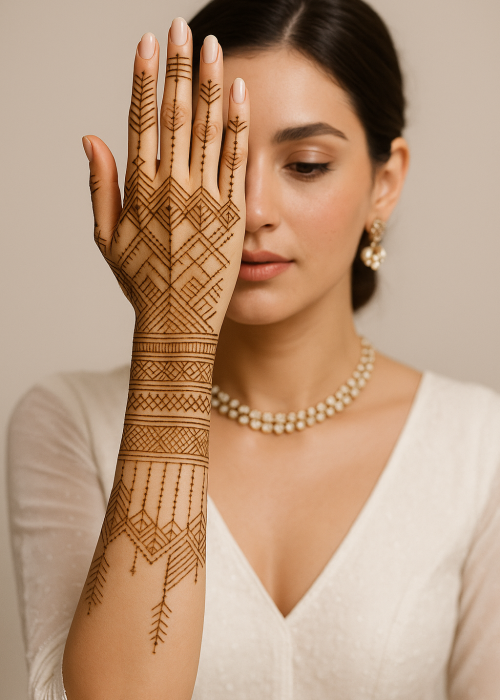
Moroccan full hand mehndi design focuses on geometric patterns and symmetry. It gives a contemporary and artistic look, making it popular among modern users.
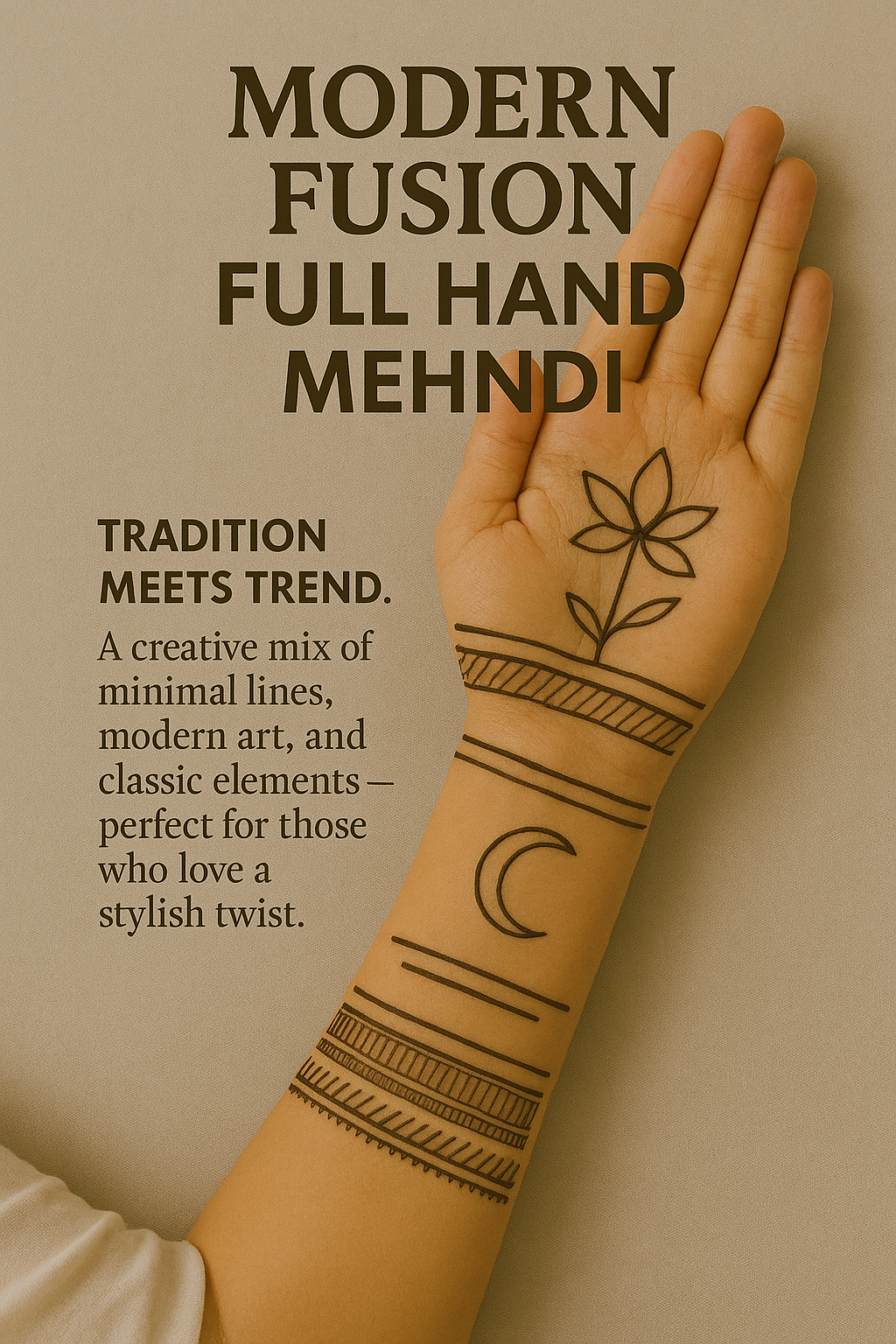
6. Modern Minimal Mehndi Design
Modern full hand mehndi design incorporates minimal patterns with clean lines and negative space. It is perfect for those who prefer a subtle yet stylish look.
Why Full Hand Mehndi Design is Popular Today
The popularity of full hand mehndi design has increased significantly in recent years due to several factors:
Social Media Influence
Platforms like Instagram and Pinterest have made full hand mehndi design more visible and accessible. Brides and influencers showcase unique designs, inspiring millions.
Wedding Photography Trends
Close-up shots of mehndi-covered hands have become a highlight of wedding photography, making full hand mehndi design even more desirable.
Creative Personalization
People now customize their full hand mehndi design with personal stories, names, and meaningful symbols.
Global Appeal
Full hand mehndi design is no longer limited to South Asia. It has become a global trend, embraced by people from different cultures.
Elements Used in Full Hand Mehndi Design
A well-crafted full hand mehndi design includes various artistic elements:
Floral patterns for elegance
Paisleys for tradition
Mandalas for symmetry
Peacocks for beauty
Geometric shapes for modern appeal
Cultural symbols for meaning
These elements are combined creatively to form a cohesive and visually stunning design.
Step-by-Step Process of Applying Full Hand Mehndi Design
1. Preparation
The skin is cleaned thoroughly to remove oil and dirt.
2. Paste Preparation
Henna powder is mixed with lemon juice and essential oils to create a smooth paste.
3. Application
The design is applied using a cone, starting from simple outlines and gradually adding details.
4. Drying
The mehndi is left to dry for several hours to ensure a deep stain.
5. Aftercare
Proper care is essential to achieve a rich and long-lasting color.
Tips to Get Dark and Long-Lasting Mehndi
To enhance your full hand mehndi design, follow these tips:
Keep the mehndi on for at least 6–8 hours
Apply lemon and sugar mixture
Avoid washing hands immediately after removal
Use natural oils like eucalyptus or clove
Keep hands warm for better color development
Full Hand Mehndi Design for Different Occasions
Weddings
Bridal full hand mehndi design is the most elaborate and detailed.
Festivals
Designs are moderately detailed, focusing on beauty and tradition.
Casual Events
Simple full hand mehndi design with minimal patterns is preferred.
Fashion and Photoshoots
Modern and experimental designs are used for a unique look.
Modern Trends in Full Hand Mehndi Design
The world of full hand mehndi design is constantly evolving. Some of the latest trends include:
Minimalist designs with negative space
Fusion styles combining Indian and Arabic elements
Jewelry-inspired mehndi patterns
Portrait mehndi featuring realistic faces
White henna and colored mehndi
These trends show how full hand mehndi design is adapting to modern aesthetics.
How to Choose the Perfect Full Hand Mehndi Design
Choosing the right full hand mehndi design depends on several factors:
Occasion (wedding, festival, or casual)
Personal style (traditional or modern)
Time available for application
Outfit and overall look
A well-chosen full hand mehndi design enhances your overall appearance and complements your personality.
Common Mistakes to Avoid
While applying full hand mehndi design, avoid these mistakes:
Applying on oily skin
Removing mehndi too early
Using low-quality henna
Not following aftercare instructions
Avoiding these mistakes ensures a beautiful and long-lasting result.
The Future of Full Hand Mehndi Design
Full hand mehndi design is expected to grow even more popular in the coming years. With the rise of digital platforms, artists are experimenting with new styles and techniques.
Technology is also playing a role, with digital design previews and online tutorials making it easier for beginners to learn and practice.
Despite these advancements, the essence of full hand mehndi design remains rooted in tradition and cultural significance.
Conclusion
Full hand mehndi design is more than just decoration—it is a blend of tradition, art, and personal expression. From ancient rituals to modern fashion trends, it has evolved beautifully while maintaining its cultural essence.
Whether you prefer a traditional bridal look or a modern minimalist style, full hand mehndi design offers endless possibilities. Its timeless appeal ensures that it will continue to be cherished for generations to come.
If you’re planning your next design, remember that full hand mehndi design is not just about patterns—it’s about telling your story through art.